
Generating consistent, high-quality leads is harder than ever in 2026. Cold outreach is saturated, inboxes are crowded, and traditional prospecting methods waste time and money.
The good news? The right AI lead generation tools can automate prospecting, personalize outreach at scale, enrich data instantly, and help small businesses close more deals with fewer resources.
In this guide, we break down the best AI tools for lead generation in 2026, ranked by real-world usability, automation power, pricing, and ROI potential.
If you’re a founder, agency owner, or growth-focused small business, this list will help you choose the right tool faster.
Table of Contents
- What Is an AI Lead Generation Tool?
- Best AI Tools for Lead Generation (Ranked)
- Apollo.io – Best All-in-One AI Prospecting Platform
- Instantly.ai – Best AI Tool for Cold Email Automation
- Lemlist – Best for Personalized Multi-Channel Outreach
- Clay – Best AI Workflow for Data Enrichment
- Outbound vs Inbound AI Lead Generation
- Frequently Asked Questions
What Makes a Great AI Lead Generation Tool?
Not all automation software qualifies as a true AI lead generation solution.
The best AI tools for lead generation typically include:
- Intelligent prospect discovery
- Data enrichment and verification
- AI-powered personalization
- Automated multi-channel outreach
- CRM integrations
- Analytics and performance tracking
The real question isn’t “Does it use AI?”
The real question is:
Does it help you generate more qualified leads with less manual effort?
Let’s break down the top tools that actually deliver.
Best AI Tools for Lead Generation (Ranked & Reviewed)
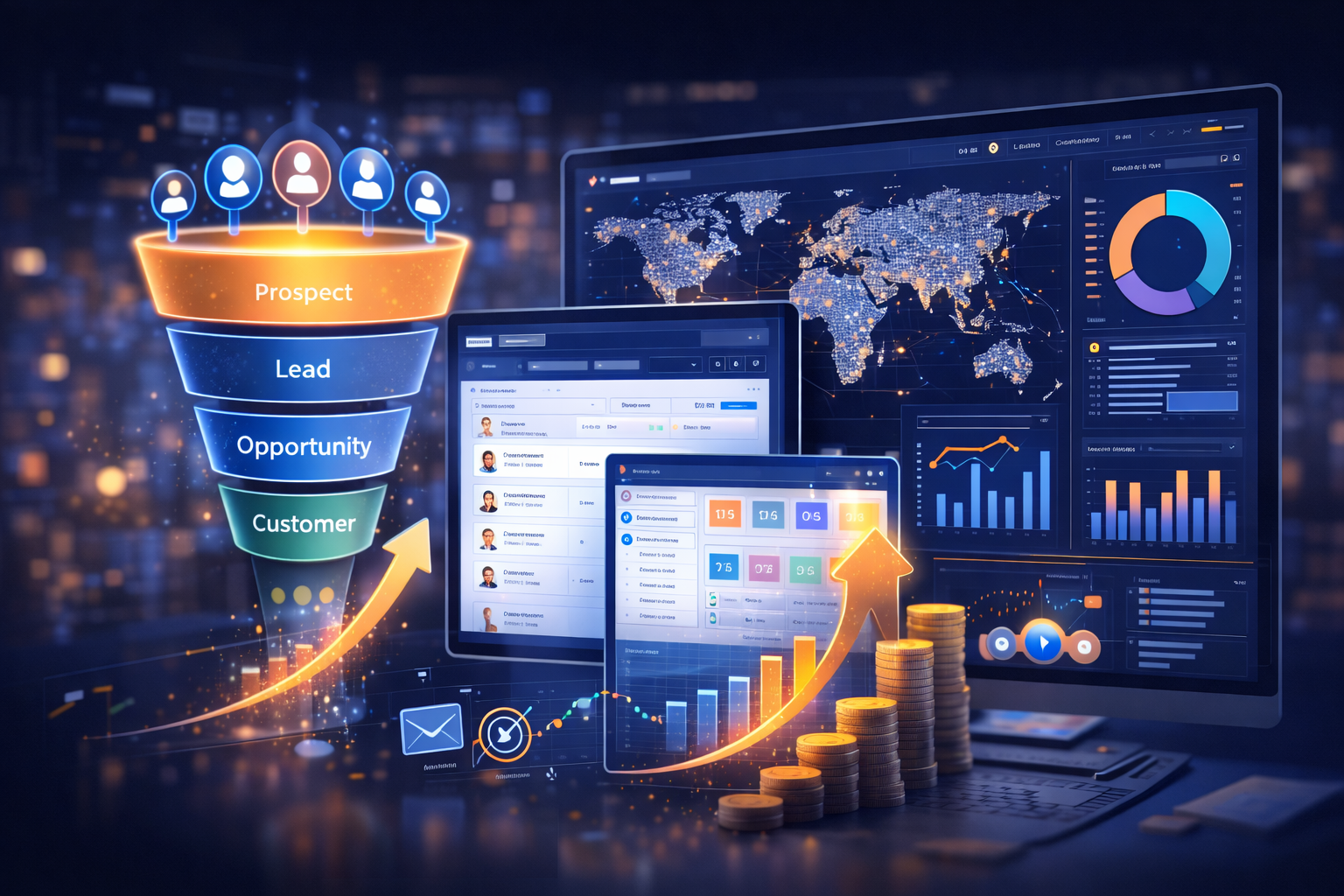
1. Apollo.io – Best All-In-One AI Prospecting Platform
Apollo is one of the most complete lead generation platforms available for small and mid-sized businesses.
It combines:
- Prospect database (millions of contacts)
- Email verification
- AI-driven filtering
- Outreach automation
- CRM syncing
Why It Works for Lead Generation
Apollo’s strength is precision targeting. You can filter by:
- Industry
- Company size
- Revenue
- Job title
- Technologies used
Then use AI-assisted messaging to personalize outreach at scale.
Instead of buying cold lists, you build dynamic segments.
You can review Apollo’s current plans directly on their official pricing page before choosing a subscription tier.
Pros
- Massive database
- Affordable entry pricing
- Built-in outreach
- Strong filtering logic
Cons
- Interface can feel complex at first
- Best results require good targeting strategy
Best For
Small businesses doing B2B outreach or agency lead generation.
Verdict
If you want one tool that covers prospecting + outreach + tracking, Apollo is the strongest starting point.
2. Instantly.ai – Best AI Tool for Cold Email Automation
If your primary channel is cold email, Instantly is built specifically for that.
Instead of being a general CRM, it focuses on:
- Inbox rotation
- Deliverability optimization
- Automated follow-ups
- AI-generated email variations
Why It Works
Deliverability is everything in cold outreach.
Instantly uses automation to manage multiple sending accounts, reducing the risk of spam penalties.
If you want to explore how Instantly structures its automation tiers, check their pricing page directly.
Pros
- Strong deliverability infrastructure
- Easy campaign setup
- Good pricing for scaling
Cons
- Limited built-in prospect database
- Requires external list sourcing
Best For
Agencies, consultants, and small businesses focused on outbound email.
Verdict
If email is your main channel, Instantly is one of the most practical AI-driven solutions available.
3. Lemlist – Best for Personalized Multi-Channel Outreach
Lemlist stands out because of personalization.
Instead of sending generic sequences, it enables:
- Dynamic image personalization
- Custom landing pages
- Multi-channel sequences (email + LinkedIn)
You can explore their current feature breakdown and plans on their official website.
Why It Works
Personalization increases reply rates dramatically.
For small businesses that rely on relationship-driven sales, this makes a real difference.
Pros
- Advanced personalization tools
- Multi-channel campaigns
- Strong user interface
Cons
- Slightly higher cost than basic email tools
- Learning curve for advanced campaigns
Best For
Relationship-based B2B businesses and agencies.
Verdict
If personalization is central to your strategy, Lemlist gives you an edge.
4. Clay – Best AI Workflow for Data Enrichment
Clay is not a typical outreach tool.
It’s a data automation engine.
You can:
- Pull prospect data from multiple sources
- Enrich contact details
- Trigger custom workflows
- Build highly targeted lists
To understand how Clay structures its automation credits and usage tiers, review the pricing details on their official site.
Why It Works
Most small businesses struggle with messy data.
Clay turns data enrichment into a systematic workflow.
Pros
- Powerful automation logic
- Deep integrations
- Advanced targeting
Cons
- More technical than plug-and-play tools
- Requires workflow setup
Best For
Advanced users who want control over prospect data pipelines.
Verdict
Clay is ideal when you want to move beyond simple outreach and build structured lead systems.
5. HubSpot AI – Best for Inbound Lead Generation
Outbound isn’t the only path.
Inbound still converts exceptionally well — especially when supported by AI.
HubSpot integrates AI into:
- Lead scoring
- Email optimization
- CRM automation
- Content recommendations
You can review HubSpot’s AI features and pricing plans on their official product page.
Why It Works
Instead of chasing leads, inbound lets leads come to you.
AI improves:
- Lead qualification
- Segmentation
- Response timing
If you’re exploring broader automation strategies beyond outreach, our guide on AI workflow tools breaks this down step by step.
Verdict
If you want long-term sustainable growth, inbound AI automation is powerful.
6. Jasper AI – Best for Creating Lead Magnets & Conversion Assets
Lead generation doesn’t start with sending emails.
It starts with compelling offers.
Jasper helps create:
- Lead magnets
- Landing page copy
- Email sequences
- Ad copy
You can explore Jasper’s current plans and feature tiers on their pricing page.
If you’re already evaluating broader AI solutions, our breakdown of the best AI tools for small business covers complementary software.
Verdict
Jasper isn’t a prospecting tool — but it dramatically improves conversion.
7. ChatGPT – Best Budget AI for Lead Strategy & Scripting
Even without expensive tools, ChatGPT can:
- Write cold email scripts
- Personalize outreach angles
- Draft LinkedIn messages
- Create follow-up logic
- Brainstorm lead magnets
If you want to compare leading AI assistants in detail, our in-depth ChatGPT vs Claude analysis breaks down the differences.
To review official plan details and business features, visit the OpenAI pricing page.
Verdict
For budget-conscious small businesses, ChatGPT remains a powerful starting point.
Outbound vs Inbound AI Lead Generation
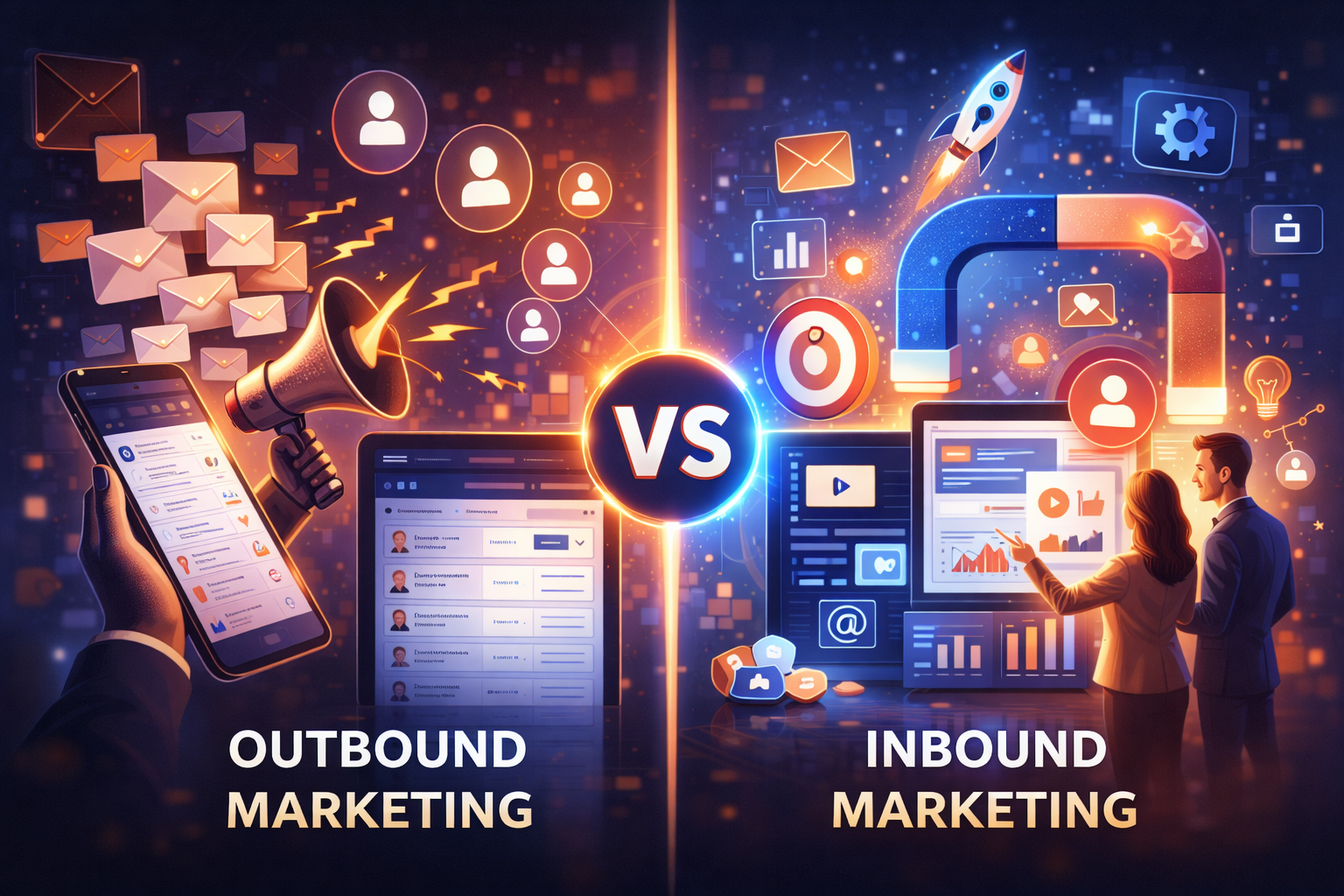
The difference between outbound and inbound AI lead generation strategies is critical for small businesses in 2026.
The best AI tools for lead generation fall into two categories:
Outbound
- Apollo
- Instantly
- Lemlist
- Clay
Pro:
Fast pipeline building
Con:
Requires consistent execution
Inbound
- HubSpot AI
- Content + Jasper
- SEO + automation
Pro:
Higher intent leads
Con:
Slower to build
The strongest strategy combines both.
Quick Comparison of the Best AI Lead Generation Tools in 2026
| Tool | Best For | Starting Price | Ease of Use | Standout Feature |
|---|---|---|---|---|
| Apollo.io | All-in-one prospecting & outreach | Check official website | 8/10 | Large B2B database + built-in sequencing |
| Instantly.ai | Cold email automation at scale | Check official website | 9/10 | Inbox rotation & deliverability optimization |
| Lemlist | Personalized multi-channel outreach | Check official website | 8/10 | Advanced personalization capabilities |
| Clay | AI-powered data enrichment workflows | Check official website | 7/10 | Custom enrichment & automation workflows |
If you’re looking for the most balanced AI lead generation tool in 2026, Apollo.io offers the strongest combination of database access and outreach automation. However, if your main focus is cold email scaling and deliverability, Instantly.ai is often the better choice.
Which AI Tool Should You Start With?
If you’re just starting:
👉 Start with Apollo or Instantly.
If you’re scaling outbound:
👉 Combine Clay + Instantly.
If you’re building inbound:
👉 HubSpot + Jasper.
If you’re on a tight budget:
👉 ChatGPT + manual targeting.
Final Verdict: The Best AI Tools for Lead Generation in 2026
There is no single “perfect” platform.
But the best AI tools for lead generation share one common trait:
They replace repetitive work with structured systems.
For small businesses in competitive markets like the US, Canada, and the UK, AI-driven lead generation is no longer optional.
It’s an efficiency multiplier.
Choose the tool that fits your current stage — not the most complex one.
Start lean. Optimize. Scale.
That’s how lead generation becomes predictable.
AI lead generation tools are evolving rapidly in 2026. Below are answers to the most common questions business owners ask before choosing a platform.
Frequently Asked Questions About AI Lead Generation Tools
🔹 FAQ 1
What is the best AI tool for lead generation in 2026?
The best AI tool for lead generation in 2026 depends on your business model. Apollo.io is ideal for all-in-one prospecting and outreach, Instantly.ai works best for cold email scaling, Lemlist excels at personalized multi-channel campaigns, and Clay is powerful for advanced data enrichment workflows. The right choice depends on your outreach strategy and growth stage.
🔹 FAQ 2
Are AI lead generation tools worth it for small businesses?
Yes. AI lead generation tools can significantly reduce manual prospecting time, improve personalization at scale, and increase response rates. For small businesses with limited teams, automation and AI-powered data enrichment often deliver a strong return on investment compared to manual outreach.
🔹 FAQ 3
Is outbound or inbound better for AI lead generation?
Outbound and inbound serve different purposes. Outbound AI lead generation tools help you proactively reach prospects through cold email and automation. Inbound strategies focus on attracting leads through content and SEO. Most growing businesses use a combination of both approaches for consistent pipeline growth.
🔹 FAQ 4
How much do AI lead generation tools cost?
Most AI lead generation tools start between $30 and $100 per month, depending on features and usage limits. Pricing varies based on contact volume, automation capabilities, and integrations. Always check the official website for the most up-to-date plans and pricing details.
🔹 FAQ 5
Can AI fully automate lead generation?
AI can automate large parts of the lead generation process, including prospect discovery, data enrichment, outreach sequencing, and follow-ups. However, strategy, messaging quality, and offer positioning still require human oversight for the best results.

Andrew Black is the founder of DipFeed, a digital publication focused on artificial intelligence tools, software reviews, and workflow optimization. He researches and analyzes how AI reshapes productivity, business processes, and modern work in 2026. His work emphasizes practical testing, real-world use cases, and evidence-based insights rather than hype or speculation.